
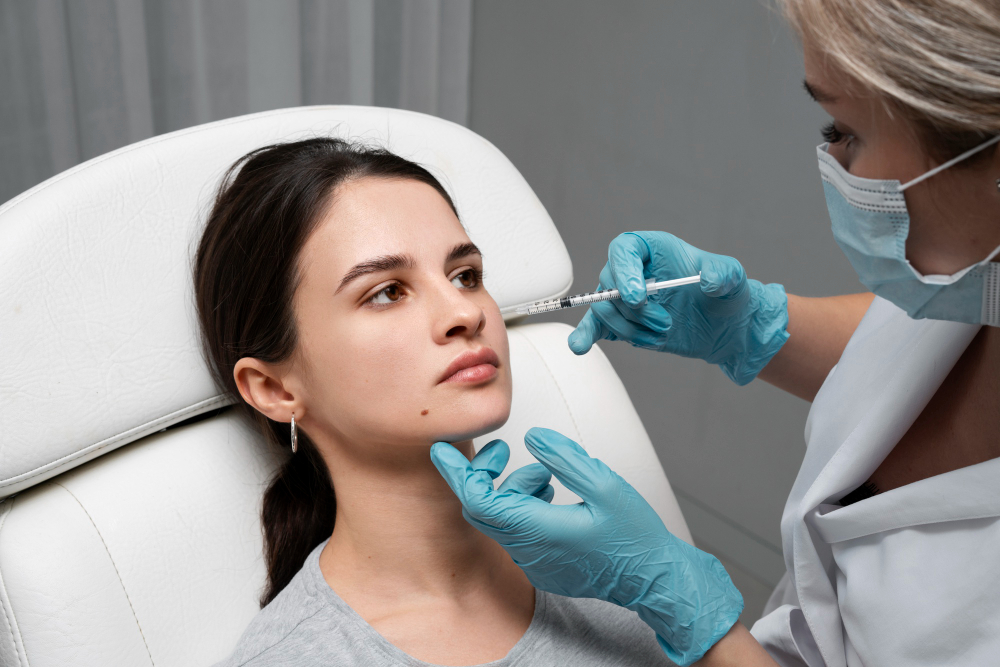
Introduction to Dermal Fillers
Dermal fillers are popular non-surgical cosmetic procedures. They help reduce wrinkles and add volume to the face. Many people choose dermal fillers for a fresher, younger look. In fact, these treatments are quick and require little recovery time. If you are curious about dermal fillers, this guide will help you understand what to expect from dermal fillers and how they work.
Common Uses and Benefits
Dermal fillers offer many benefits for people who want to improve their appearance without surgery. For example, they can:
Additionally, results are often seen right away. Most people can return to daily activities soon after treatment.
Types of Dermal Fillers
There are several types of dermal fillers. Each type works in a slightly different way. Some common types include:
However, your doctor will help you choose the best type for your needs.
Procedure: What to Expect Before, During, and After Treatment
Before the Procedure
First, you will meet with a certified dermatologist. They will review your medical history and discuss your goals. Sometimes, you may need to stop certain medicines before treatment.
During the Procedure
Next, the doctor will clean your skin. They may use a numbing cream to reduce discomfort. Then, they will inject the filler into specific areas. The whole process usually takes less than an hour.
After the Procedure
Afterward, you may notice some swelling or redness. These effects are usually mild and go away in a few days. Most people can go back to normal activities right away.
Potential Risks and Side Effects
Although dermal fillers are generally safe, there are some risks. According to the U.S. Food and Drug Administration (FDA), possible side effects include:
Serious problems are rare, but they can happen. Therefore, always choose a certified and experienced provider.
Who Is a Good Candidate?
Not everyone is a good candidate for dermal fillers. You may be a good fit if you:
However, people with certain skin conditions or infections should wait until these issues are treated.
Aftercare and Recovery Tips
Proper aftercare helps you get the best results. Here are some tips:
If you notice any unusual symptoms, contact your doctor right away.
Prevention of Complications
To lower your risk of problems, always choose a certified dermatologist or medical professional. Additionally, make sure the clinic uses approved products. Never get fillers from unlicensed providers or in non-medical settings. This can help prevent infections and other serious issues.
Frequently Asked Questions
Conclusion
Dermal fillers can help you look and feel your best without surgery. However, it is important to understand the benefits, risks, and what to expect from dermal fillers. For safe and effective results, consult a certified dermatologist for personalized advice.