
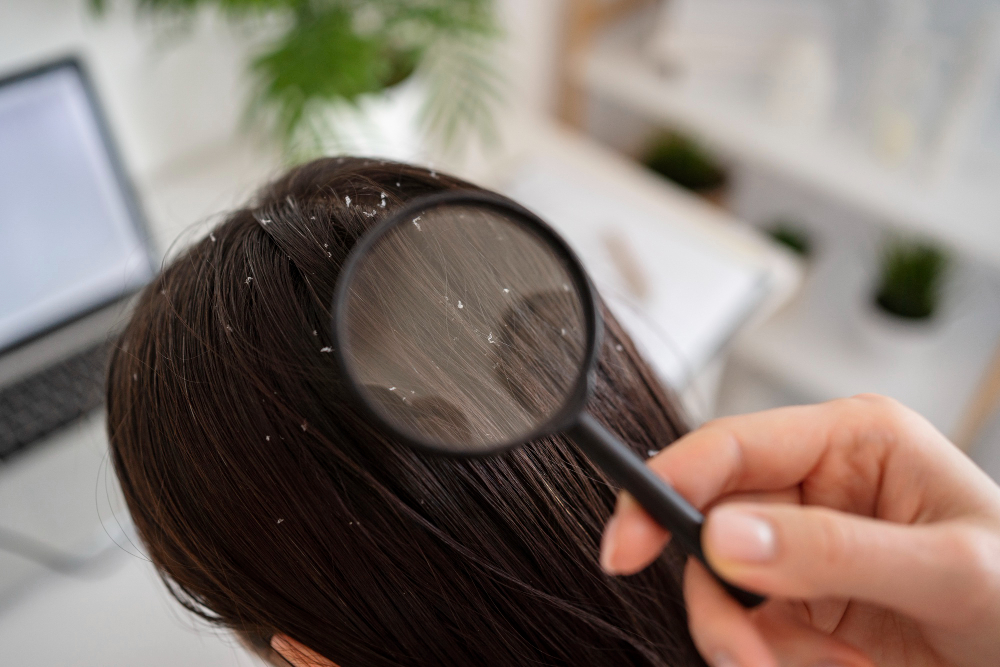
What is Dandruff?
Dandruff is a common scalp condition. It causes white or yellow flakes to appear on your scalp and hair. Often, dandruff leads to an itchy scalp and mild redness. While it is not dangerous, it can be bothersome. Many people wonder how to get rid of dandruff. Thankfully, there are simple ways to manage it and keep your scalp healthy.
Common Symptoms of Dandruff
Dandruff symptoms are easy to spot. However, they can sometimes be confused with other scalp issues. Look for these signs:
Sometimes, the flakes may be more visible if you wear dark clothing. In addition, scratching can make the itching worse.
Causes and Risk Factors
Several factors can lead to dandruff. Understanding these causes helps you choose the right dandruff treatment. The main causes include:
Some people are more likely to get dandruff. For example, men, young adults, and those with certain skin conditions like eczema or psoriasis have a higher risk. Also, cold and dry weather can make dandruff worse.
How Dandruff is Diagnosed
Doctors usually diagnose dandruff by looking at your scalp. They may ask about your symptoms and hair care routine. In most cases, no special tests are needed. However, if your scalp is very red, swollen, or painful, your doctor may check for other skin problems. Sometimes, a small sample of skin may be taken for testing. This helps rule out other conditions.
Effective Treatments for Dandruff
There are many ways to treat dandruff. Most people find relief with over-the-counter products. Here are some effective options:
For mild cases, washing your hair more often can help. If your dandruff is stubborn, your doctor may suggest a stronger shampoo or a prescription treatment. Always follow the instructions on the shampoo bottle. If you live in a humid or dry area, you may need to adjust your hair care routine for better scalp health.
Lifestyle Tips and Prevention
Besides using treatments, you can take steps to prevent dandruff. Try these simple tips:
In addition, keeping your scalp clean and healthy can help reduce flare-ups. If you live in a city with high pollution, consider washing your hair more often to remove buildup.
When to See a Dermatologist
Most cases of dandruff can be managed at home. However, you should see a dermatologist if:
Sometimes, dandruff can be a sign of another skin condition. Therefore, a dermatologist can help you find the right treatment and rule out other problems.
Consult a dermatologist for personalized dandruff treatment and advice.