
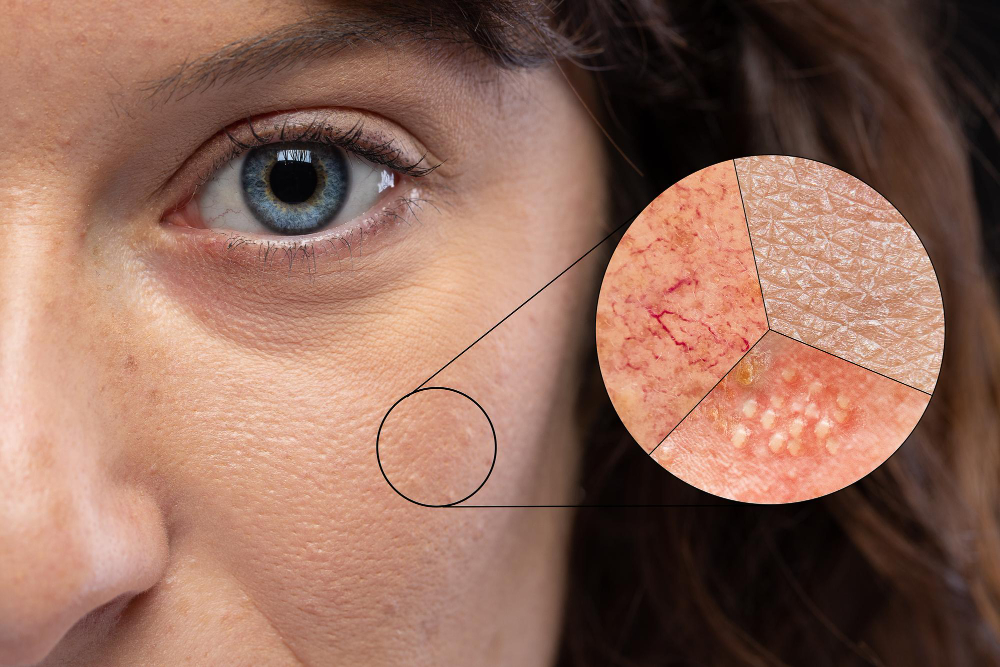
What Is the Skin Barrier?
Your skin barrier is the outermost layer of your skin. It acts like a shield. This layer keeps moisture in and blocks harmful things out. For example, it protects you from germs, pollution, and harsh weather. When your skin barrier is healthy, your skin feels soft and smooth. However, if it gets damaged, you may notice problems.
Why Is the Skin Barrier Important?
First, the skin barrier helps your body stay hydrated. It stops water from escaping. Also, it keeps out bacteria and irritants. Because of this, a strong skin barrier lowers your risk of infections and irritation. In addition, it helps your skin heal faster from cuts or scrapes. If your barrier is weak, your skin may become dry, itchy, or inflamed.
Common Causes of Skin Barrier Damage
Many things can harm your skin barrier. Sometimes, daily habits are to blame. Other times, the environment or certain products cause damage. Here are some common causes:
Because these factors are common, anyone can experience skin barrier damage at some point.
Key Signs of Skin Barrier Damage
It is important to spot the signs early. This way, you can start skin barrier repair quickly. Watch for these symptoms:
If you notice these damaged skin barrier symptoms, your skin may need extra care.
How to Diagnose Skin Barrier Damage
Often, you can spot skin barrier damage by how your skin feels and looks. However, sometimes it is hard to tell. In these cases, a dermatologist can help. They may ask about your skin care routine and check your skin closely. Sometimes, they use special tests to measure moisture or check for irritation. If you live in a city with high pollution, mention this during your visit. Early diagnosis helps you start the right treatment.
Effective Treatments and Recovery Tips
Once you notice skin barrier damage, gentle care is key. Here are some ways to help your skin heal:
For faster skin barrier repair, look for products with ceramides, hyaluronic acid, or fatty acids. These ingredients help restore your barrier. If your symptoms do not improve, seek dermatologist advice for skin barrier care. They may suggest special creams or treatments.
Prevention: How to Protect Your Skin Barrier
Preventing skin barrier damage is easier than fixing it. Here are some simple tips for skin barrier protection:
With these steps, you can keep your skin healthy and strong. If you need help with skin barrier care in your city, local dermatologists can offer advice.
When to See a Dermatologist
If your skin does not improve with home care, it is time to see a dermatologist. Also, if you have severe redness, pain, or signs of infection, seek help right away. Sometimes, skin barrier damage can be a sign of an underlying condition. A dermatologist can give you a proper diagnosis and suggest the best treatment. Early help leads to better results.
In summary, your skin barrier is vital for healthy skin. If you notice signs of skin barrier damage, act quickly. For the best care, consult a dermatologist for personalized advice.