What Is Hair Shedding?
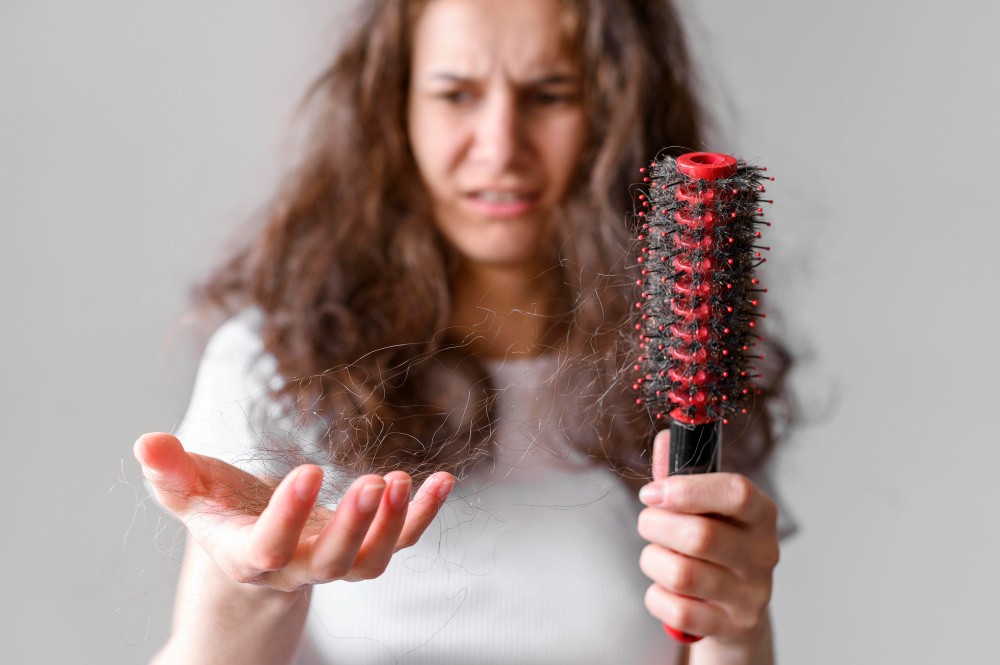
Many people worry when they see hair on their brush or pillow. However, hair shedding is a normal process. In fact, everyone loses some hair each day. Usually, you may shed 50 to 100 hairs daily. This is part of the natural hair growth cycle. For example, after washing or brushing, you might notice more hair falling out. But this does not always mean something is wrong. Often, hair shedding increases after stress, illness, or childbirth. According to the American Academy of Dermatology, this is called telogen effluvium. Most of the time, hair grows back on its own.
What Is Hair Thinning?
On the other hand, hair thinning means your hair is getting less dense over time. Instead of just losing hair, you may notice your scalp is more visible. Sometimes, hair strands become finer or weaker. Unlike normal shedding, hair thinning often points to an ongoing problem. For instance, it can be due to genetics, aging, or certain health conditions. Over time, hair thinning can lead to bald spots or a receding hairline. Therefore, it is important to spot the signs early.
Key Differences Between Hair Shedding and Hair Thinning
It is easy to confuse hair shedding with hair thinning. Yet, they are not the same. Here are the main differences:
Because the difference between hair shedding and hair thinning matters, knowing which one you have helps you find the right solution.
Common Causes of Hair Shedding
Several things can trigger hair shedding. For example, you may notice more hair loss after:
Usually, these causes are temporary. Once your body recovers, hair growth returns to normal. According to the CDC, most people see improvement within a few months.
Common Causes of Hair Thinning
Hair thinning often has different causes. Some common reasons include:
Because these causes are ongoing, hair thinning may not improve without treatment. The World Health Organization notes that early care can help slow hair loss.
Diagnosis: How to Tell the Difference
Sometimes, it can be hard to know if you have hair shedding or hair thinning. However, there are signs to look for:
Therefore, if you are unsure, a dermatologist can help with a proper diagnosis.
Effective Treatments and Solutions
There are many ways to treat hair shedding and hair thinning. For hair shedding, most people do not need treatment. Hair usually grows back once the cause is gone. But if shedding continues, a doctor may check for underlying issues.
For hair thinning, treatments may include:
Because each person is different, it is best to talk to a doctor about the right treatment for you. Peer-reviewed dermatology journals suggest early treatment works best.
Prevention Tips for Healthy Hair
While not all hair loss can be stopped, you can take steps to keep your hair healthy. For example:
In addition, regular check-ups can help catch problems early. These tips can help prevent hair loss and keep your hair looking its best.
When to See a Dermatologist
Sometimes, hair loss needs medical attention. You should see a dermatologist if:
Early help can make a big difference. Therefore, do not wait if you are worried about your hair.
Consult a dermatologist for personalized advice on hair shedding or hair thinning.