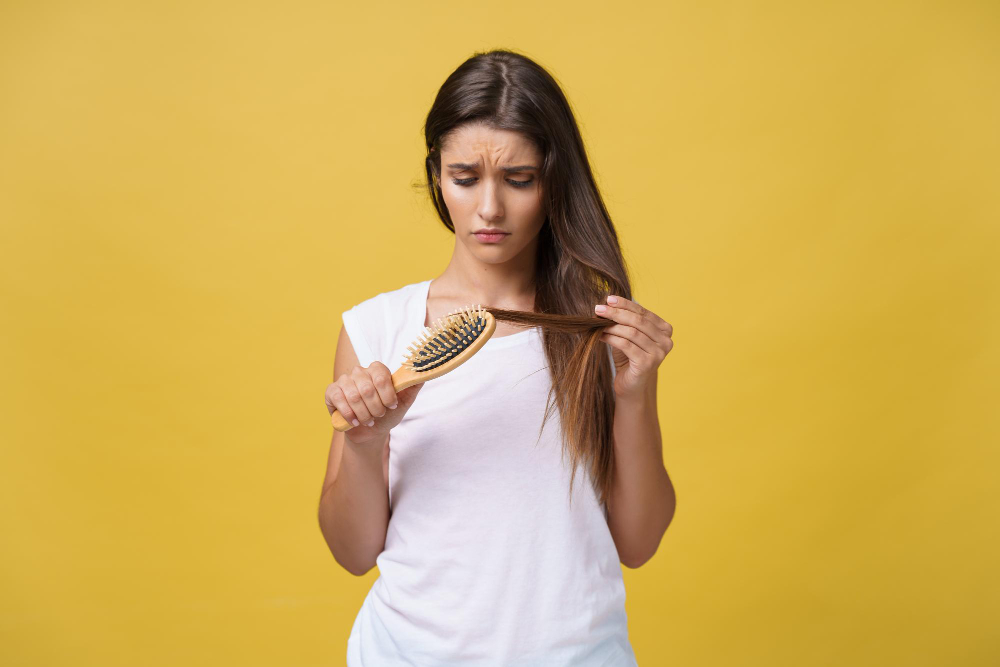
Many people worry about hair loss, but not all hair loss is the same. In fact, understanding the difference between hair shedding and hair thinning is important. Hair shedding means losing more hair than usual, while hair thinning means your hair is getting less dense. Both can be stressful, but they have different causes and solutions. This guide explains hair shedding vs hair thinning, the difference between hair shedding and hair thinning, causes of hair loss, and how to tell if you have hair thinning or shedding.
What is Hair Shedding?
Hair shedding is a normal part of the hair growth cycle. Every day, you lose some hair as old strands fall out and new ones grow. Usually, people shed about 50 to 100 hairs each day. However, sometimes you may notice more hair on your pillow or in the shower. This can happen after stress, illness, or big life changes. Even so, most hair shedding is temporary and stops on its own.
What is Hair Thinning?
Hair thinning means your hair is slowly losing its fullness. Instead of losing lots of hair at once, the hair becomes finer and the scalp may start to show. Hair thinning often happens over time. It can be caused by aging, genetics, or certain health problems. Unlike shedding, hair thinning may not always grow back without help.
Key Differences Between Hair Shedding and Hair Thinning
Common Causes of Hair Shedding
Many things can cause hair shedding. For example, you might notice more shedding after:
According to the American Academy of Dermatology, these triggers usually cause temporary hair loss. Once the body recovers, hair often grows back.
Common Causes of Hair Thinning
Hair thinning often has different causes. Some of the most common include:
Unlike shedding, thinning may need medical treatment to improve.
How to Identify: Signs and Symptoms
It can be hard to tell if you have hair shedding or thinning. However, there are some signs to look for:
If you are unsure, a dermatologist can help you find the cause.
Diagnosis: When to See a Dermatologist
Sometimes, hair loss is a sign of a health problem. Therefore, you should see a dermatologist if:
Dermatologists can check your scalp and may order blood tests. This helps find the cause and best treatment.
Treatment Options and Solutions
Treatment depends on the cause of your hair loss. For hair shedding, most people do not need medicine. The hair often grows back once the trigger is gone. For hair thinning, options include:
Always talk to a dermatologist before starting any treatment.
Prevention and Lifestyle Tips
While not all hair loss can be stopped, you can lower your risk. For example, you can:
In some locations, air quality or water hardness may affect hair health. Therefore, consider local factors if you notice changes in your hair.
In summary, knowing the difference between hair shedding and hair thinning can help you find the right solution. If you are worried about hair loss, consult a dermatologist for personalized advice on hair shedding or thinning.