
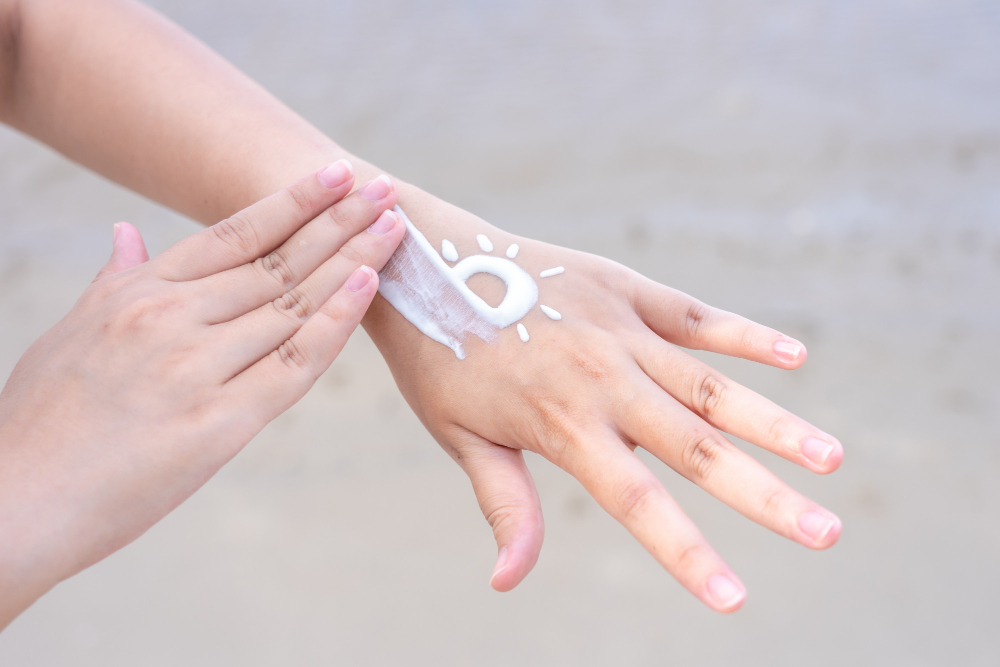
Choosing the Right Sunscreen: A Dermatologist’s Guide for the General Public

Why Sunscreen Matters for Skin Health

Choosing the right sunscreen is key for healthy skin. Every day, the sun’s rays can harm your skin, even on cloudy days. Over time, sun exposure can cause sunburn, early aging, and even skin cancer. According to the World Health Organization (WHO), sunscreen helps protect against these risks. Because of this, using sunscreen daily is important for everyone.

How Does Sunscreen Work?

Sunscreen acts like a shield for your skin. It blocks or absorbs harmful rays from the sun. There are two main types of rays: UVA and UVB. UVA rays can cause aging and wrinkles. UVB rays can cause sunburn. Both types can lead to skin cancer. Sunscreen uses special ingredients to protect you from these rays. For example, some sunscreens use minerals like zinc oxide. Others use chemicals that absorb the rays. Either way, sunscreen helps keep your skin safe.

Key Factors in Choosing Sunscreen

When you shop for sunscreen, you may see many choices. However, not all sunscreens are the same. Here are the main things to look for:

  • SPF (Sun Protection Factor): SPF shows how well the sunscreen protects against UVB rays. For most people, SPF 30 or higher is best. SPF 30 blocks about 97% of UVB rays.
  • Broad-Spectrum: This means the sunscreen protects against both UVA and UVB rays. Always choose a broad-spectrum sunscreen for full protection.
  • Water Resistance: If you swim or sweat, pick a water-resistant sunscreen. It will last longer on your skin, but you still need to reapply it every 40 to 80 minutes.
  • Ingredients: Some people have sensitive skin. For them, mineral sunscreens with zinc oxide or titanium dioxide are gentle choices. Others may prefer chemical sunscreens, but always check for any skin reactions.
  • How to Read Sunscreen Labels

    Reading sunscreen labels can be confusing. Yet, knowing what to look for makes it easier. Here are some tips:

  • Look for “broad-spectrum” on the label.
  • Check the SPF number. SPF 30 or higher is a good choice for most people.
  • Find “water-resistant” if you plan to swim or sweat.
  • Read the ingredient list if you have allergies or sensitive skin.
  • Also, some sunscreens are labeled “for sensitive skin” or “oil-free.” These may be better for certain skin types.

    Application Tips and Common Mistakes

    Even the best sunscreen will not work if you do not use it right. Therefore, follow these tips:

  • Apply sunscreen 15 minutes before going outside.
  • Use enough to cover all exposed skin. Most adults need about one ounce (a shot glass full).
  • Reapply every two hours, or after swimming or sweating.
  • Do not forget your ears, neck, and the tops of your feet.
  • Many people make mistakes, such as using too little or forgetting to reapply. As a result, they do not get full protection.

    Special Considerations: Skin Type, Age, and Activities

    Everyone’s skin is different. Because of this, you may need a special sunscreen. Here are some things to keep in mind:

  • Sensitive Skin: Choose mineral sunscreens. These are less likely to cause irritation. Look for “best sunscreen for sensitive skin” on the label.
  • Children: Use sunscreens made for kids. These are gentle and often mineral-based.
  • Outdoor Activities: If you play sports or swim, pick a water-resistant sunscreen. Reapply often.
  • Oily or Acne-Prone Skin: Choose oil-free or non-comedogenic sunscreens. These will not clog pores.
  • Myths and Facts About Sunscreen

    There are many myths about sunscreen. Let’s clear up some facts:

  • Myth: You do not need sunscreen on cloudy days.
  • Fact: Up to 80% of UV rays pass through clouds.
  • Myth: Darker skin does not need sunscreen.
  • Fact: All skin types can get sun damage.
  • Myth: One application lasts all day.
  • Fact: Sunscreen must be reapplied every two hours.
  • Myth: Higher SPF means you can stay in the sun longer.
  • Fact: No sunscreen blocks 100% of rays. Reapply often.
  • Prevention Tips for Sun Damage

    Besides using sunscreen, there are other ways to protect your skin. For example, you can:

  • Wear hats and sunglasses for extra protection.
  • Stay in the shade during peak sun hours (10 a.m. to 4 p.m.).
  • Wear long sleeves and pants when possible.
  • Check the UV index before going outside.
  • By combining these steps with the right sunscreen, you can keep your skin healthy.

    Conclusion: Protect Your Skin Every Day

    In summary, choosing the right sunscreen is simple when you know what to look for. Always check for broad-spectrum, SPF 30 or higher, and water resistance if needed. Remember to apply it correctly and reapply often. For the best advice, consult a dermatologist for personalized sunscreen recommendations.