
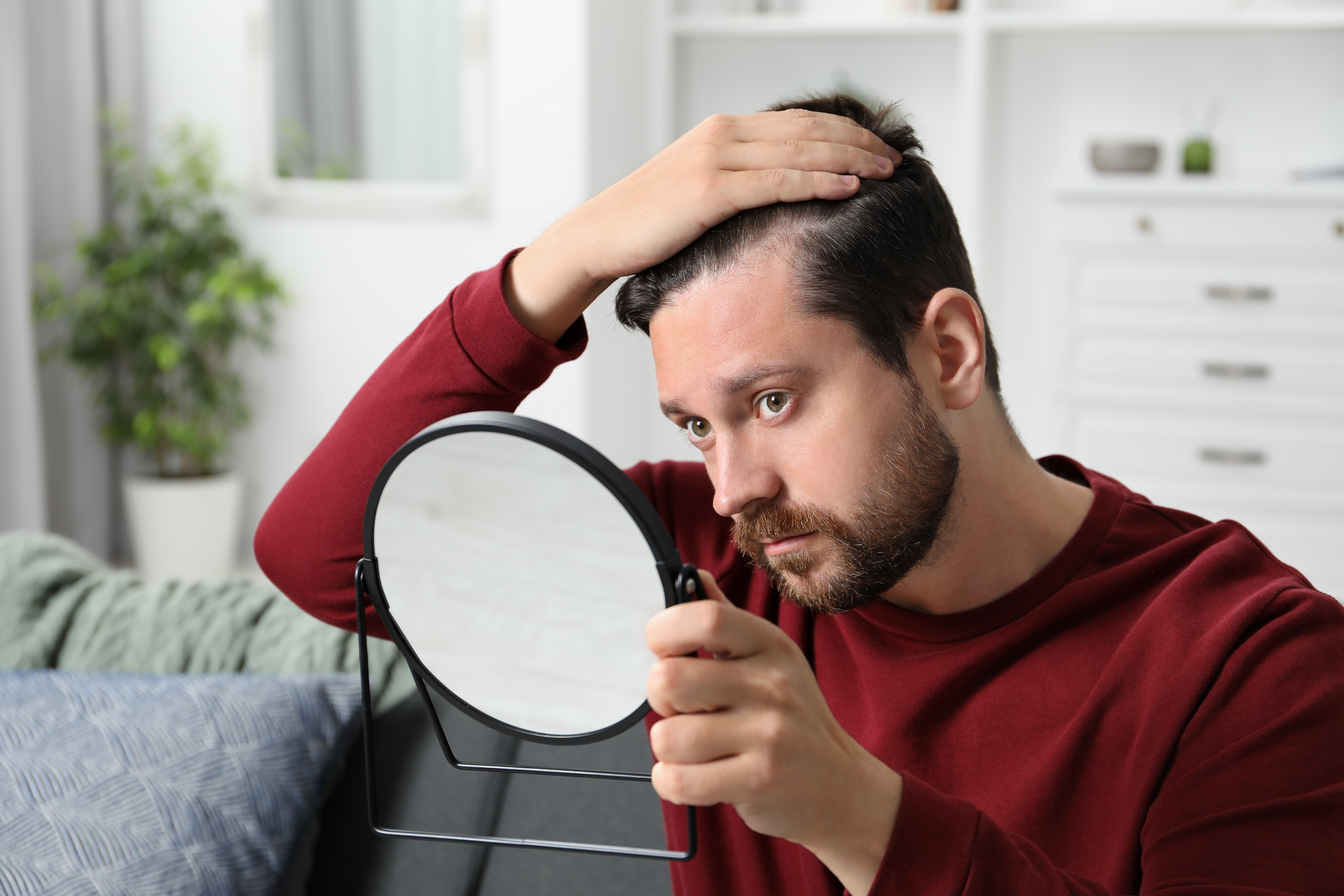
Hairloss in men is a common concern that affects millions worldwide. For many, losing hair can impact self-esteem and confidence. While some hair shedding is normal, noticeable thinning or bald spots may signal a problem. Understanding the causes, symptoms, and best solutions for men’s hairloss can help you take control. In this blog, we will explore male pattern baldness, treatment for hairloss in men, and prevention tips. If you are looking for answers, you are in the right place.
Common Symptoms of Hairloss in Men
Hairloss in men can show up in different ways. However, most men notice a few common signs. Early detection can help you seek treatment sooner. For example, you might see:
Sometimes, the scalp may feel itchy or sensitive. But often, hairloss happens without pain. If you notice these symptoms, it is wise to pay attention. Early action can make a difference.
Main Causes of Hairloss in Men
There are several reasons why men lose hair. Most often, it is due to genetics. This type is called male pattern baldness. But other factors can also play a role. Let’s look at the main causes:
Because many causes exist, it is important to find out what is behind your hairloss. That way, you can choose the best treatment.
How Hairloss in Men is Diagnosed
Diagnosing hairloss in men usually starts with a visit to a dermatologist. First, your doctor will ask about your health, family history, and symptoms. Next, they will examine your scalp and hair. Sometimes, they may gently pull a few hairs to see how easily they come out. In some cases, blood tests or a scalp biopsy may be needed. These tests help rule out other health problems. With a clear diagnosis, you can explore the best solutions for men’s hairloss.
Effective Treatment Options for Hairloss in Men
Thankfully, there are many treatments for hairloss in men. The right choice depends on the cause and how much hair you have lost. Here are some proven options:
Because each person is different, it is best to talk with a dermatologist. They can help you find the most effective treatment for hairloss in men.
Lifestyle Tips and Prevention Strategies
While not all hairloss can be prevented, healthy habits may slow it down. For instance, you can:
Additionally, regular check-ups with your doctor can catch problems early. Small changes can make a big difference over time.
When to See a Dermatologist
Sometimes, hairloss is more than just a cosmetic issue. If you notice sudden or patchy hairloss, or if your scalp is red, itchy, or painful, it is time to see a dermatologist. Also, if you feel worried or upset about your hair, a doctor can help. Early treatment often leads to better results. Do not wait too long to seek help.
Frequently Asked Questions (FAQs)
Conclusion
In summary, hairloss in men is common and can have many causes. Early signs include thinning hair and a receding hairline. While genetics play a big role, other factors like stress and health problems matter too. Thankfully, many effective treatments and prevention tips are available. If you are worried about hairloss, consult a dermatologist for personalized advice. They can help you find the best solutions for your needs.