Many people worry about hair loss. PRP for hair regrowth is a new treatment that offers hope. PRP stands for Platelet-Rich Plasma. It uses your own blood to help your hair grow back. Because it is safe and natural, more people are choosing this option. In this blog, you will learn how PRP works, its benefits, and what to expect. If you want fuller hair, this guide can help you decide if PRP is right for you.
What is PRP?
PRP means Platelet-Rich Plasma. Doctors take a small amount of your blood and spin it in a machine. This process separates the plasma, which is rich in platelets. Platelets are tiny cells that help heal and grow new tissue. After that, the doctor injects this plasma into your scalp. Because it uses your own blood, PRP is a natural treatment. Many dermatologists now use PRP to help with hair loss.
How PRP Works for Hair Regrowth
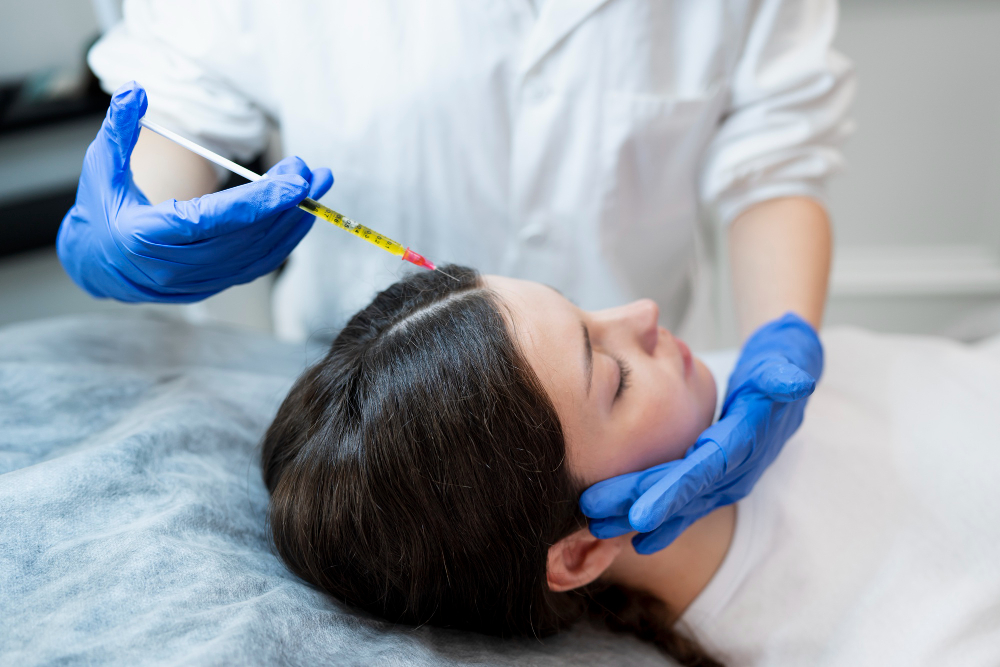
First, the doctor draws your blood. Next, they spin it to get the platelet-rich plasma. Then, they inject this plasma into areas of your scalp where hair is thinning. The platelets release growth factors. These growth factors help wake up hair roots and boost hair growth. As a result, your hair may become thicker and healthier over time. Studies show that PRP can help people with certain types of hair loss, such as androgenetic alopecia (male or female pattern baldness) (source).
Key Benefits of PRP for Hair Regrowth
PRP for hair regrowth offers many advantages. For example, it is a safe and natural option. Here are some key benefits:
Because PRP is simple and safe, many people prefer it over other treatments.
Who Can Benefit from PRP?
Not everyone is a good candidate for PRP. However, many people with hair thinning or mild hair loss may benefit. PRP works best for:
On the other hand, PRP may not help if you have severe hair loss or certain health problems. Always talk to a dermatologist before starting treatment.
What to Expect During PRP Treatment
First, your doctor will check your scalp and discuss your goals. Next, they will draw a small amount of blood from your arm. Then, they spin the blood to get the PRP. After that, the doctor injects the PRP into your scalp using a thin needle. The whole process usually takes about 60 minutes. Most people feel only mild discomfort. You can return to normal activities soon after the treatment.
Safety and Side Effects
PRP for hair regrowth is generally safe. Because it uses your own blood, the risk of infection or allergy is low. However, some people may notice mild side effects, such as:
These side effects usually go away within a few days. Rarely, more serious problems can occur. Therefore, always choose a trained dermatologist for your treatment (source).
Results and Success Rates
Many people see results after three to six months of PRP treatment. For example, hair may look thicker and fuller. Some studies report that over 70% of patients notice improvement (source). However, results can vary. You may need several sessions for the best outcome. Regular follow-up treatments can help maintain your results.
Tips for Maximizing Results
To get the most from PRP for hair regrowth, follow these tips:
With the right care, you can improve your chances of success.
Frequently Asked Questions (FAQs)
In summary, PRP for hair regrowth is a safe and promising option for many people. If you are worried about hair loss, consult a dermatologist to find out if PRP for hair regrowth is right for you.