Back acne, often called “bacne,” is a common skin problem. It can affect people of all ages. Many people feel embarrassed or uncomfortable because of back acne. However, you are not alone. This blog will explain what back acne is, its causes, symptoms, and how to get rid of back acne. We will also share tips for preventing back acne and when to seek help from a dermatologist.
What is Back Acne?
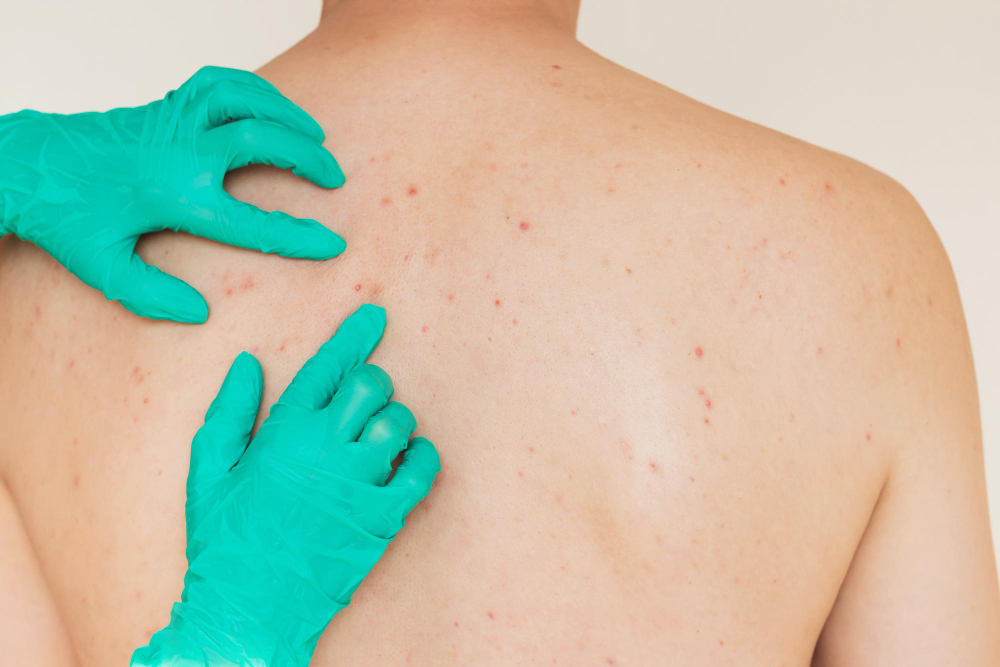
Back acne is a type of acne that appears on your back. It happens when pores or hair follicles get clogged with oil, dead skin, or bacteria. As a result, you may notice pimples, blackheads, or whiteheads on your back. Sometimes, these spots can feel sore or itchy. Although back acne is common, it can be managed with the right care.
Common Symptoms of Back Acne
Back acne can look and feel different for each person. Still, there are some signs to watch for. For example, you may notice:
Sometimes, back acne can spread to your shoulders or upper arms. But most often, it stays on the back.
Causes and Risk Factors
Many things can cause back acne. However, the main reason is clogged pores. Here are some common causes and risk factors:
In addition, stress and certain medications can make back acne worse. For people living in warm areas, sweating may increase the risk.
How Back Acne is Diagnosed
Doctors usually diagnose back acne by looking at your skin. They may ask about your symptoms and daily habits. Sometimes, they will check if you have acne in other places, like your face or chest. In rare cases, a doctor may suggest tests to rule out other skin problems. But most of the time, a simple exam is enough.
Effective Treatment Options
There are many ways to treat back acne. Some people can manage mild cases at home. Others may need help from a dermatologist. Here are some common back acne treatments:
For example, using a body wash with benzoyl peroxide can help clear mild back acne. However, always follow your doctor’s advice for the best results. According to the American Academy of Dermatology, early treatment can prevent scars.
Prevention Tips and Lifestyle Guidance
Preventing back acne is possible with simple steps. Here are some tips to help keep your skin clear:
Additionally, eating a balanced diet and managing stress may help. In humid climates, showering more often can reduce sweat and oil buildup.
When to See a Dermatologist
Sometimes, back acne does not improve with home care. In these cases, it is best to see a dermatologist. You should seek help if:
Moreover, a dermatologist can suggest stronger treatments or check for other skin issues. Early care can prevent lasting marks and boost your confidence.
In summary, back acne is common but treatable. With the right steps, you can manage and prevent it. Consult a dermatologist for personalized advice on managing back acne.